Contents
- Why does plastic never really go away? A bit of history and basic science on why plastics are so dang stubborn and stick around.
- So what happens when it gets in the air? Brief lit review on what we know now about microplastics in the air.
- Where does it go when you breathe it? Some health effects aka why we care.
- What we don’t know yet – Some exciting new research in the field and what to look for in this new research field.
Every time you take a breath you are inhaling something that didn’t exist a hundred years ago: fragments of plastic, some of them smaller than the width of a human hair, floating alongside the dust and pollen and everything else the air has always carried. We’ve spent recent years worrying about plastic in our water bottles and our fish, (c’mon bro there’s a plastic bag in the Mariana Trench) but how does it get from our burning fires or landfills into the water? That middle man, the air, our dear underacknowledged friend.
Why does plastic never really go away?
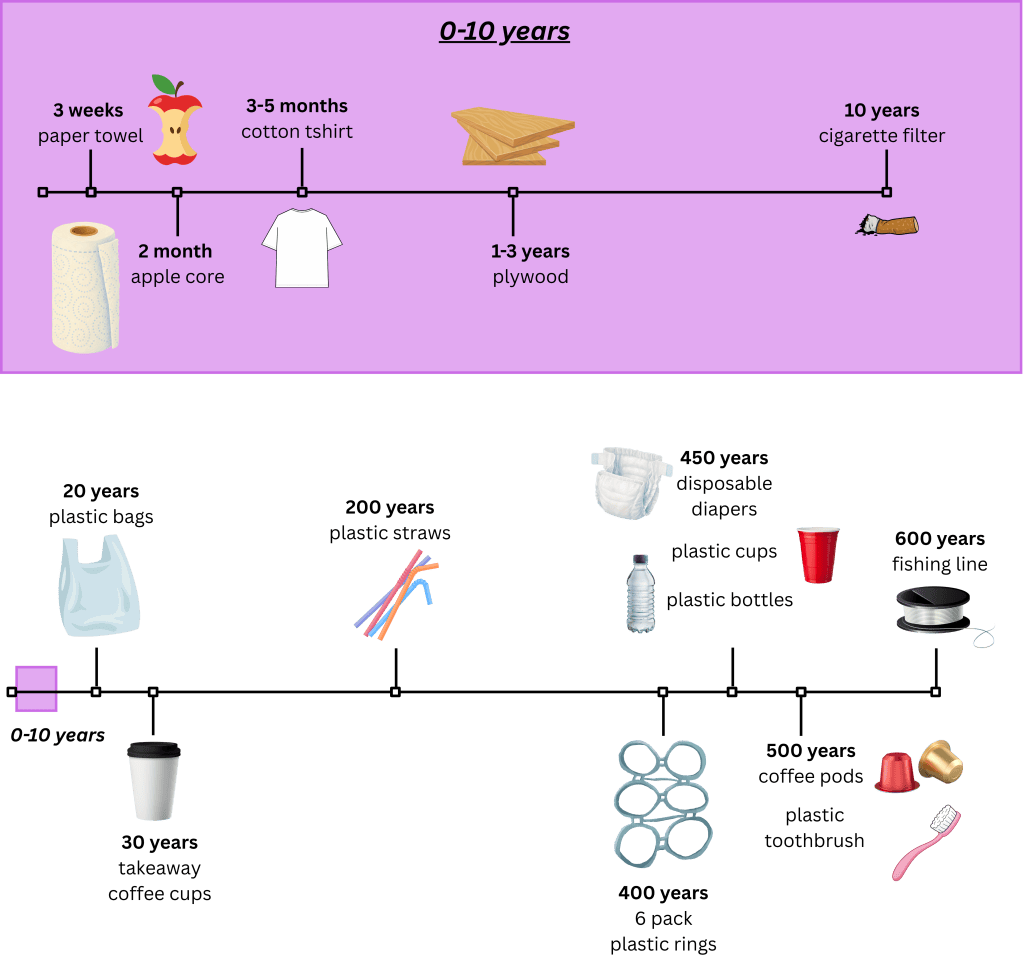
Plastics are those pesky little dinner party guests that won’t take the cue to leave. They are unique polymer structures that were first invented to make billiard balls in the mid-1800s, replacing the traditional elephant ivory tusks that were a little difficult to acquire (Joris Mercelis). This led to a New Yorker mad scientist in a barn mixing carbolic acid and formaldehyde making the first fully synthetic plastic in 1907 (The Guardian). Leo Baekeland, the scientist behind this, said of this invention “I was trying to make something really hard, but then I thought I should make something really soft instead, that could be molded into different shapes.” Brilliant. His company Bakelite marketed plastic with an infinity sign (foreshadowing, no?) and the rest is history (Joris Mercelis).
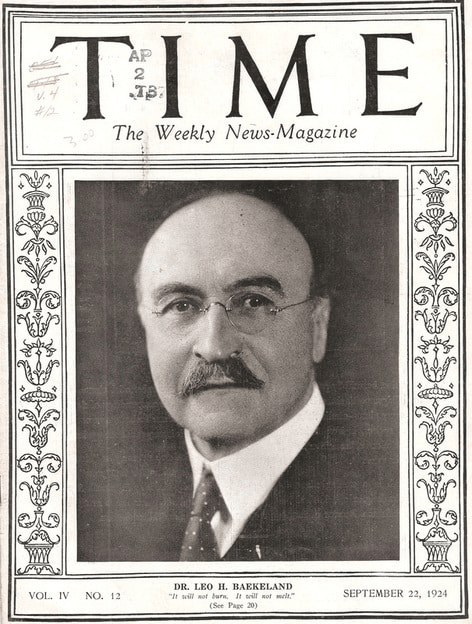
Time Magazine cover of of Dr. Leo H. Baekeland in 1924, founder of Bakelite plastics. Front cover Quote: “It will not break. It will not melt.” Source: Wikipedia
Most plastic is built from long chains of carbon atoms, bonded to each other in a way that is, chemically speaking, stubbornly boring. Genghis Khan’s unbreakable army stubborn. Carbon-carbon bonds are strong; hard to break, hard to interest an enzyme in. Nothing alive has ever needed to break them, because nothing alive ever made them before humans started in the early 1900s. To the microbes that cause wood to rot those long carbon chains are like the weird jelly thing no one touches on the Thanksgiving table… could be edible but why waste time when there’s a pumpkin pie?
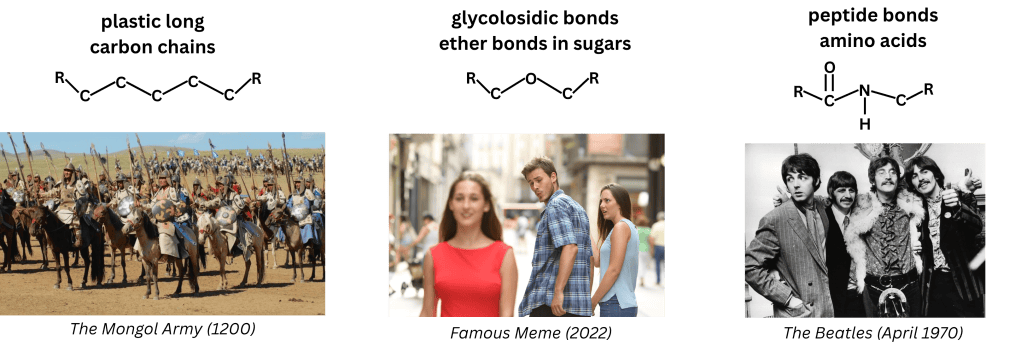
Compared to wood, to food, cotton and silk, to anything that used to be alive: those are built from bonds that bacteria and fungi have spent billions of years learning to dismantle. Plastic offers no such invitation. It doesn’t rot. It doesn’t compost. It fragments.
That’s the part that matters. A plastic bag doesn’t vanish, it shatters, over years, into smaller and smaller pieces, each one still carrying the same unbreakable backbone, just now small enough to travel. Small enough to become dust. Small enough, eventually, to breathe.
A landmark 2017 study found that of the 6,300 million metric tons of plastic waste humanity had generated by 2015, only 9 percent had ever been recycled (Geyer et al., 2017). Nearly 80 percent is still sitting somewhere, landfill, ocean, roadside,.. slowly grinding itself down into exactly the kind of particle that doesn’t stay on the ground.
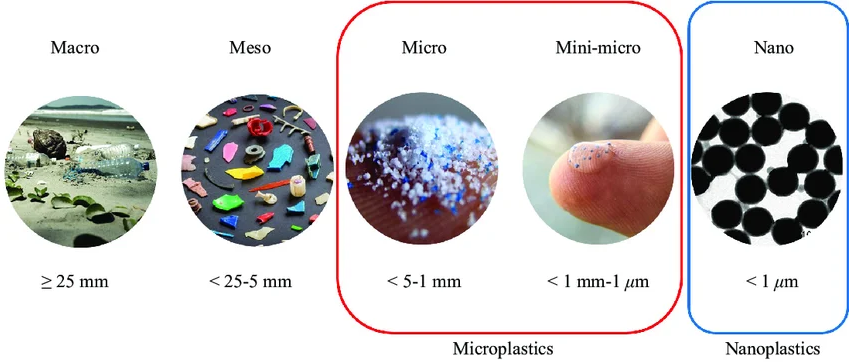
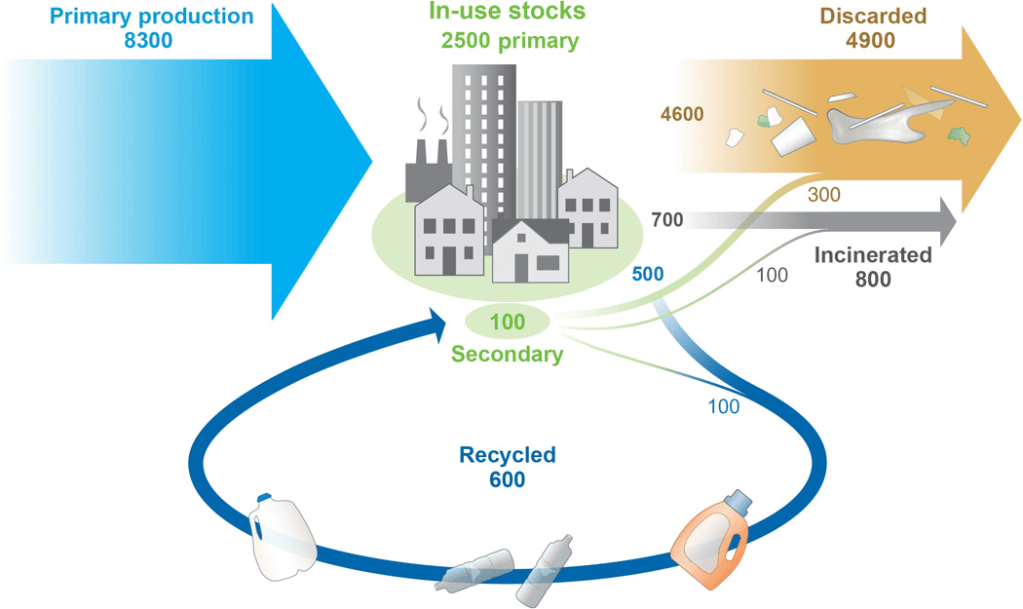
Figure left: Sharma 2024, sizes of microplastics. Figure right: Global production, use, and fate of polymer resins, synthetic fibers, and additives (1950 to 2015; in million metric tons). Source: Geyer et al. 2017
So what happens when it gets into the air?
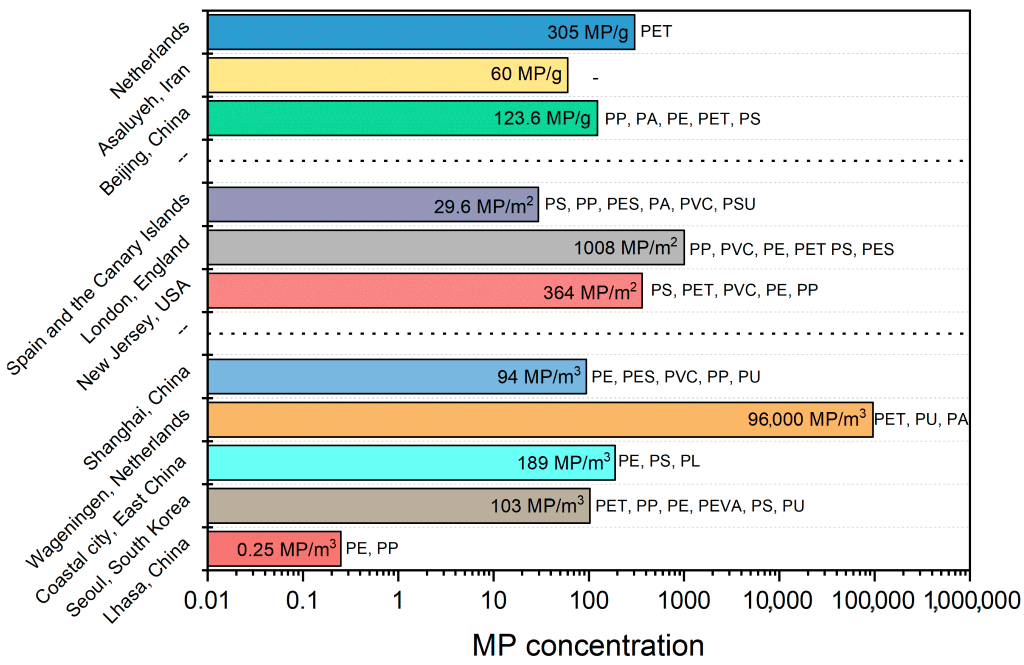
Source: Solarzano et al 2025. Concentrations and different types of microplastics in different countries in air. To digest this figure: An adult breathes roughly 11,000–15,000 liters (~11–15 m³) of air a day. Multiplying that by the reported concentrations gives a rough daily inhalation estimate (not accounting for what your airways filter out): Lhasa (0.25 MP/m³): ~3–4 particles/day; Seoul (103 MP/m³): ~1,100–1,500 particles/day; Shanghai (94 MP/m³) / coastal China (189 MP/m³): ~1,000–2,800 particles/day; Wageningen greenhouse (96,000 MP/m³): over a million particles/day. Wageningen is an indoor agricultural/industrial environment, not typical outdoor city air.
Airborne microplastics are a genuinely new field of study, most of it dating back only to around 2016. And what researchers are finding is that this isn’t a rare or isolated event. It’s everywhere.
Tire abrasion, textile fibers shedding off clothes in the wash and in the wearing, building materials eroding, waste being burned in the open, all of it feeds fragments into the air we walk through (Logvina et al., 2024; Patnana, 2024). Near roadways in Yogyakarta, Indonesia, researchers found thousands of particles suspended in the air, disproportionately black, matching the exhaust and tire residue of passing traffic (Jannah et al., 2024). In Tianjin, China, radioactive tracing showed these particles can hang in the atmosphere for an average of two weeks before coming back down (Jiang et al., 2024). This is huge! 2 weeks in the atmosphere could transport across cities, regions, even oceans and continents, far from the original source into regions where plastic is unused.
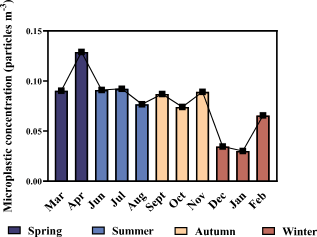
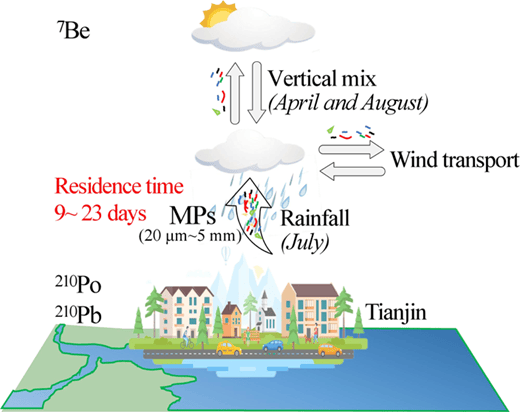
Study in Tianjin, China (Jiang et al., 2024) showing the residence time of plastics in the air and the annual cycles.
And the air indoors, the air you might assume is safer, often isn’t. People spend roughly 90 percent of their lives indoors, and indoor air has turned out to be one of the most concentrated sources of exposure researchers have found (Mbachu et al., 2020; Prata et al., 2020; Tang, 2025). Household dust in Poland has turned up laced with microplastic fibers and toxic heavy metals together (Bhat et al., 2026). Workers who sort waste for a living have been measured inhaling nearly 4,000 particles per cubic meter of air; twenty times what an office worker breathes in the same city (Limsiriwong & Winijkul, 2023).
What should the standard be? It normally takes decades of data to determine what is “safe” for humans. How is this disproportionate for the different people in the world?
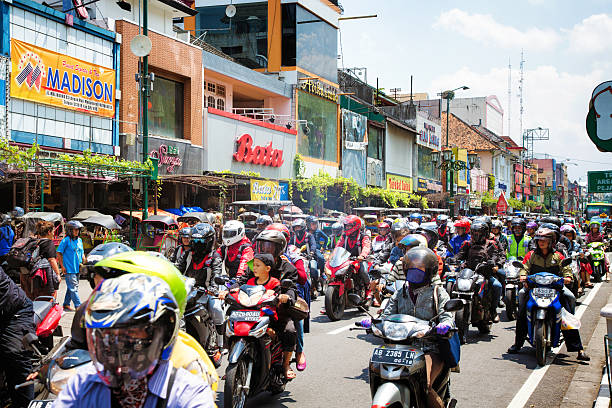
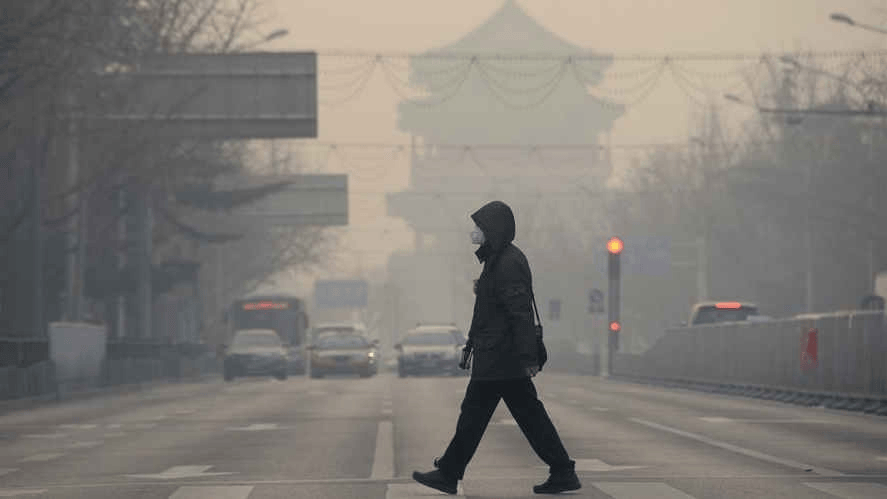
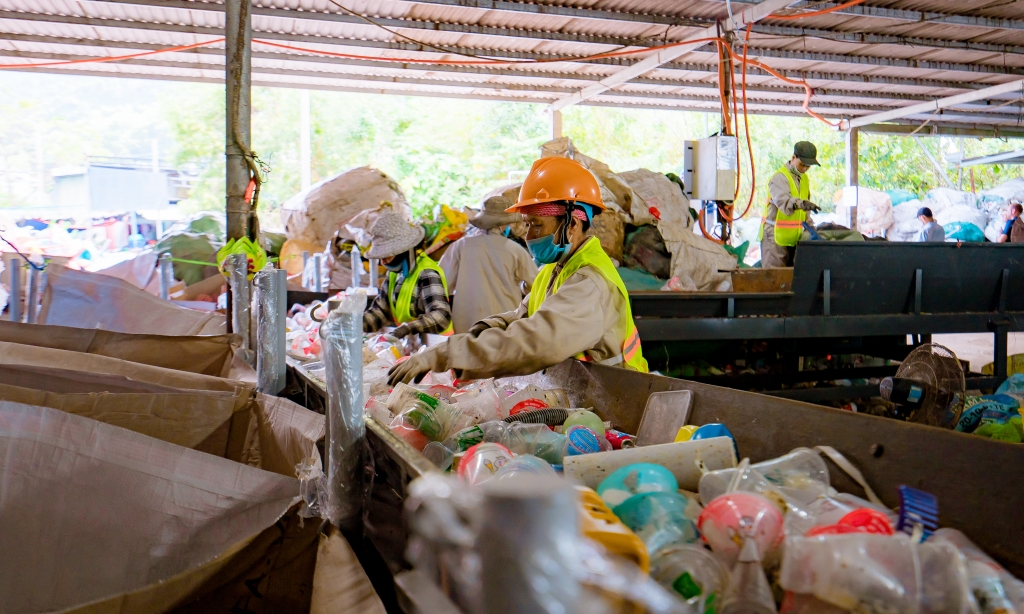
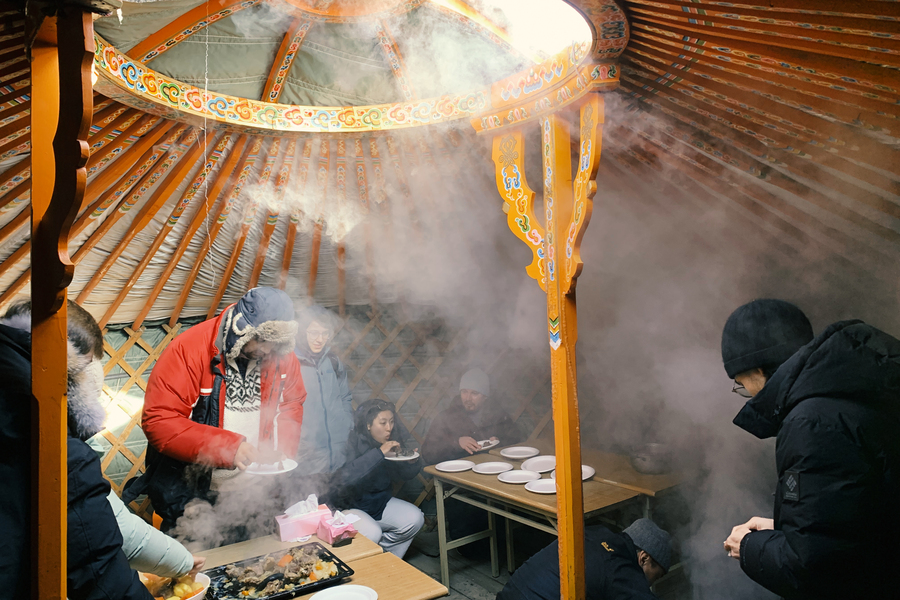
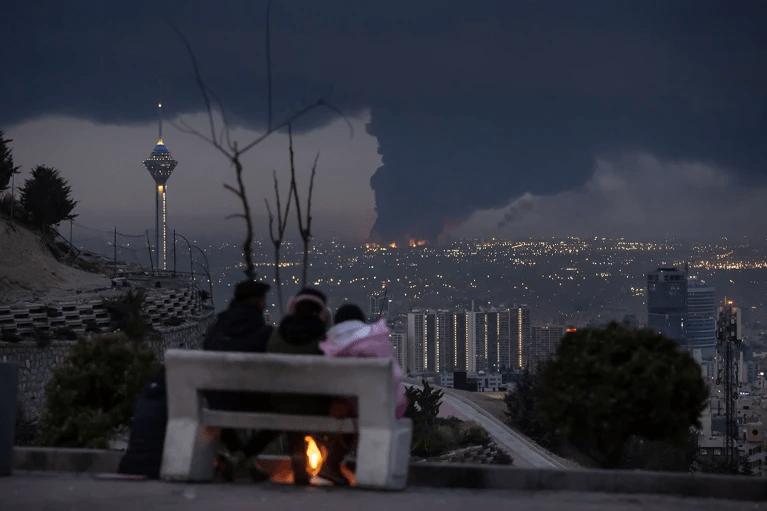
Pic 1 shows traffic in Yogyakarta, Indonesia (Credit: iStock). Pic 2 shows air pollution in Tianjin, China (Credit: CGTN). Pic 3 shows plastic sorters in Vietnam. Source: UVA Darden
Where does it go once you breathe it in?
This is the part that should give you pause. Particle size determines how far into your lungs it travels, the smaller it is, the deeper it goes (Saha & Saha, 2024). Researchers have already found plastic fibers embedded in human lung tissue. These things don’t stay in the lungs. They move. Not hypothetically: found in cancer patients, plastic particles have also shown up in human blood, liver, and placenta (Rindelaub & Miskelly, 2025).
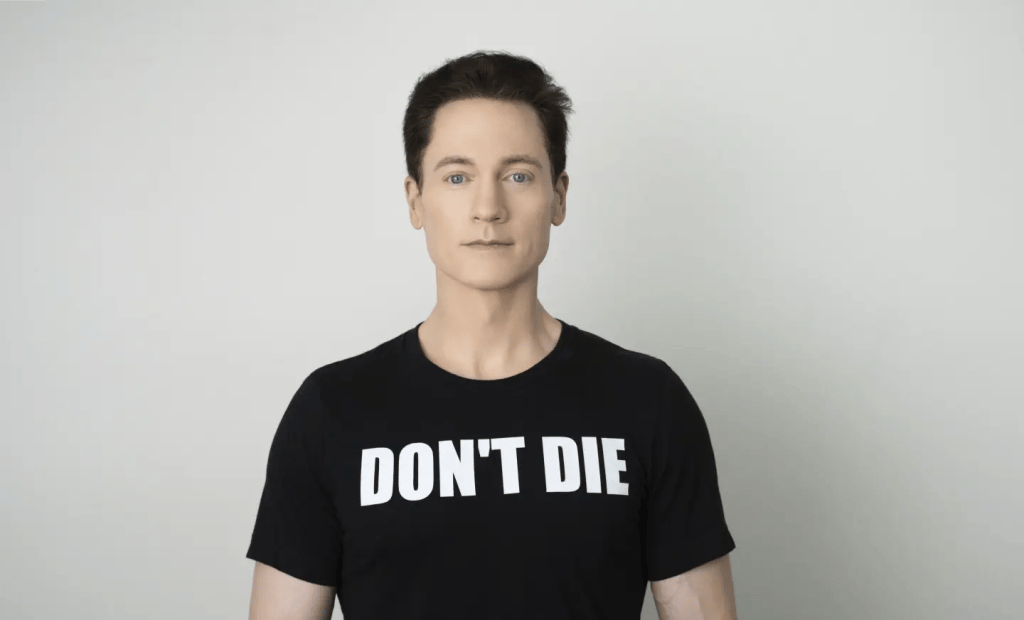
Tech entrepreneur and biohacker Bryan Johnson claimed to reduce the microplastic concentration in his semen from 165 particles per milliliter down to zero over an 18-month period by daily dry sauna sessions, filtering water, cotton clothing, and removing plastic from the kitchen. Experts remain skeptical of his claims.
This microplastic wildfire is both a problem from drinking water AND from the air we breathe. Estimates of how much we’re inhaling vary, some studies say a few dozen particles a day, others suggest it could be closer to 6,000, depending on where you live and how you measure it (Tang, 2025; Bhat et al., 2026). Infants and toddlers, closer to the ground and breathing faster relative to their size, are estimated to take in more than adults do (Tang, 2025).
What we don’t know yet
This is still, honestly, an early science. Researchers are still standardizing how to even measure these particles in the air, let alone what a “safe” level looks like (I. Han et al., 2024; Solórzano et al., 2025). We know plastic is in the air. We know we’re breathing it. We don’t yet know, with any real precision, what that costs us over a lifetime.
BUT THERE IS A BRIGHTSIDE- so much cool new research is coming out to tackle these problems! At the University of Michigan, chemist Anne McNeil leads the M4AM project with co-investigators across chemistry and climate science building the state’s first high-resolution inventory and map of where atmospheric microplastics come from and how they travel, addressing a field that still lacks basic transport models. At Louisiana State University, Bhuvnesh Bharti’s lab, working with Pacific Northwest National Laboratory, is looking into how weathered microplastics attracting water and seed ice crystals in clouds, a first step toward understanding their global redeposition. Italy’s National Research Council (CNR) developed a combined extraction-and-spectroscopy protocol to identify airborne microplastics in indoor industrial settings like bottling plants, where no standard method existed before. And on the materials side, Wales-based startup PlantSea founded by three Aberystwyth University PhD graduates, Alex Newnes, Gianmarco Sanfratello, and Rhiannon Rees is tackling the problem upstream, turning seaweed harvested off the Welsh coast into a biodegradable, water-soluble film now being scaled up to replace PVOH in things like detergent capsules and agricultural mulch film, aiming to cut off airborne and marine microplastic pollution at the source rather than just measuring it.
People and the Earth are so resilient. In this new field, there is a lot to learn but a reason to hope. We just have to find out the inner workings of plastics… its refusal to break down, its habit of fragmenting instead of disappearing. We know enough to know microplastics in air and water won’t solve itself.
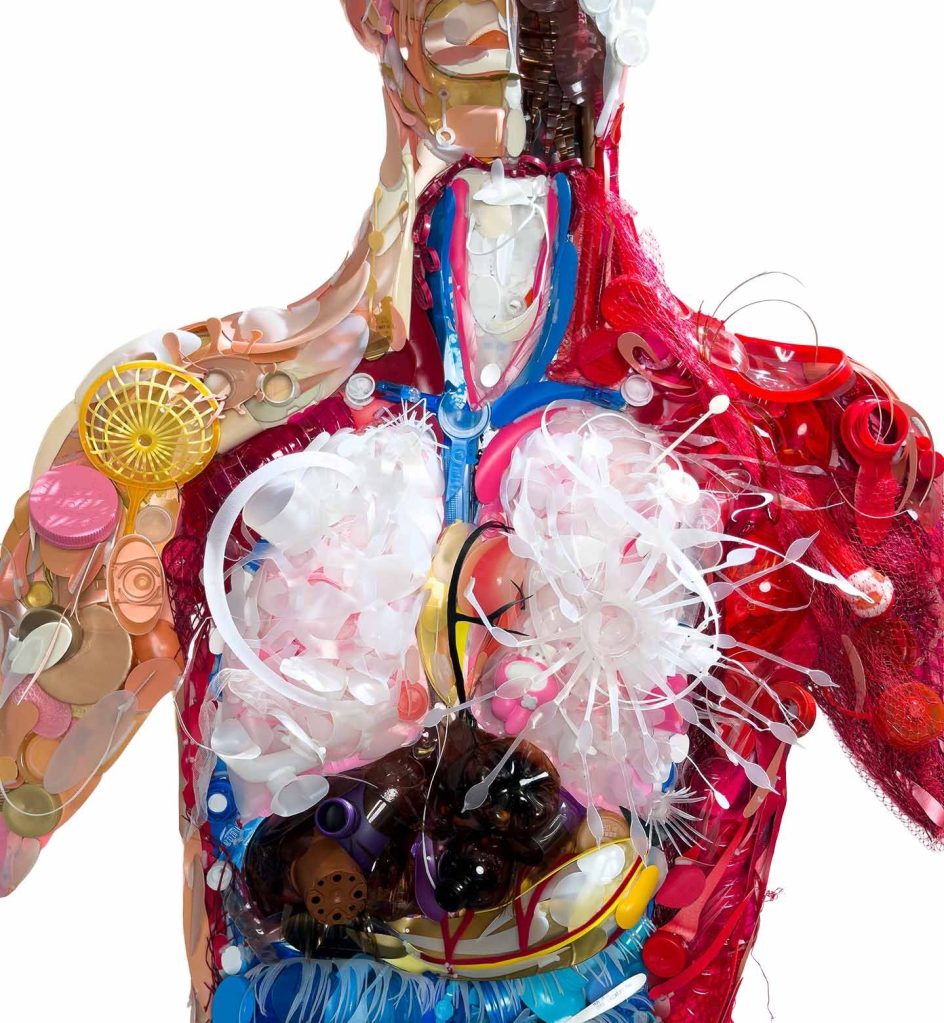
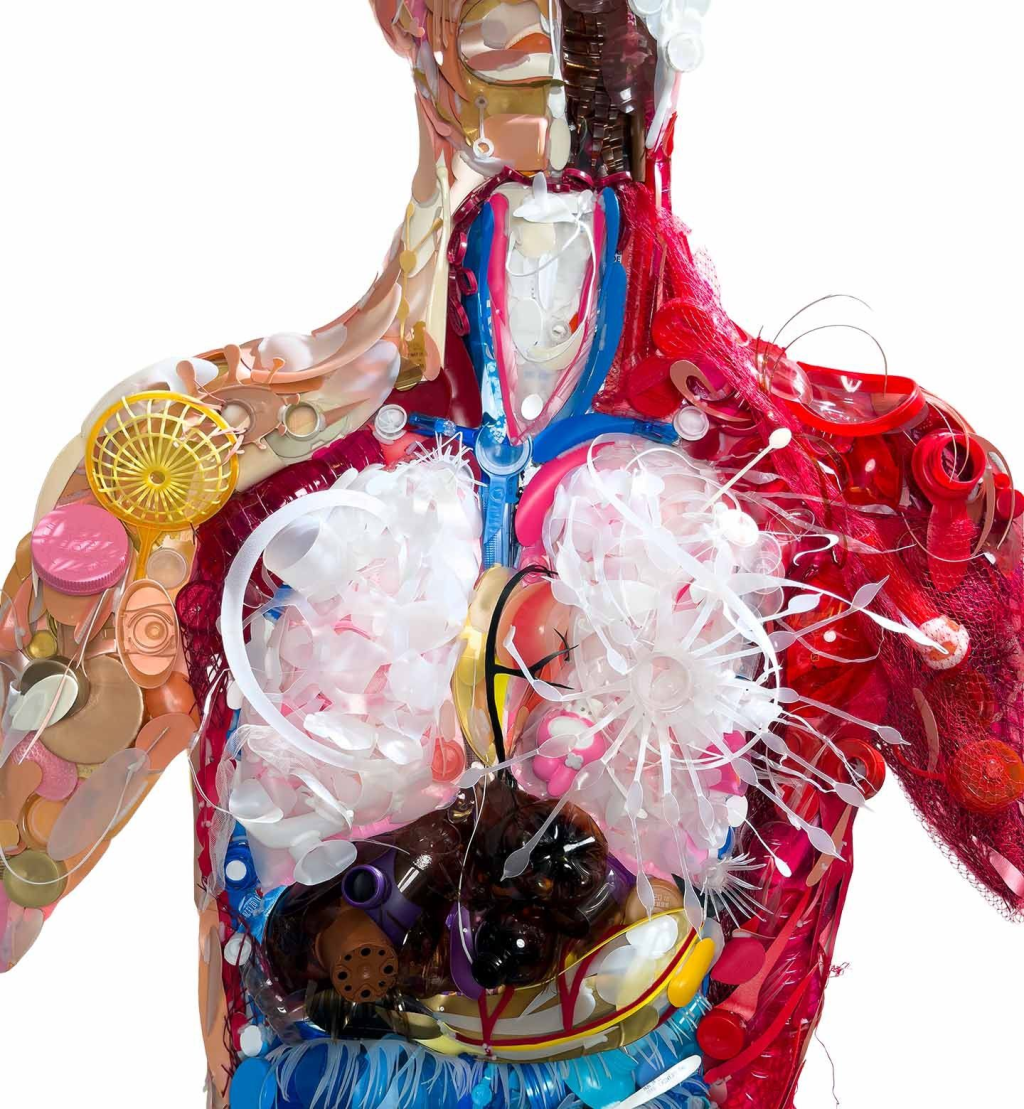
Artist: Aurora Robson / Photo: Marshall Coles Source: UCSF Magazine
Additional Sources
Alava, J. J., Tirapé, A., McMullen, K., Uyaguari, M., & Domínguez, G. A. (2022). Microplastics and Macroplastic Debris as Potential Physical Vectors of SARS-CoV-2: A Hypothetical Overview with Implications for Public Health. Microplastics, 1(1), 156–166. https://doi.org/10.3390/microplastics1010010
Bhat, M. A., Rashid, S., & Janaszek, A. (2026). Microplastic and Potentially Toxic Element Contamination in Indoor Household Dust in Kielce, Poland. Environmental Quality Management, 35(3). https://doi.org/10.1002/tqem.70306
Brander, S. M., Renick, V. C., Foley, M. M., Steele, C., Woo, M., Lusher, A., Carr, S., Helm, P. A., Box, C., Cherniak, S. L., Andrews, R. C., & Rochman, C. M. (2020). Sampling and Quality Assurance and Quality Control: A Guide for Scientists Investigating the Occurrence of Microplastics Across Matrices. Applied Spectroscopy, 74(9), 1099–1125. https://doi.org/10.1177/0003702820945713
Han, I., Lee, C.-C., Belchez, C., Shipper, A. G., & Wiens, K. E. (2024). Microplastics in Urban Ambient Air: A Rapid Review of Active Sampling and Analytical Methods for Human Risk Assessment. Environments, 11(11), 256. https://doi.org/10.3390/environments11110256
Han, Y. (2026). Episodic dynamics and infiltration of atmospheric microplastics: a synchronized indoor–outdoor field study in coastal Dalian, China. Environmental Research Communications, 8(9), 095002. https://doi.org/10.1088/2515-7620/ae9e13
Jannah, B. R., Maharani, H. A., Rahmawati, S., Nugroho, A. R., & Abdull, N. B. (2024). Occurrence and characteristic of microplastics in suspended particulate, a case study in street of Yogyakarta. E3s Web of Conferences, 485, 06008. https://doi.org/10.1051/e3sconf/202448506008
Jiang, K., Zhu, J., Su, K., Wang, X., Li, G., Deng, M., & Zhang, C. (2024). Tracing the Transport and Residence Times of Atmospheric Microplastics Using Natural Radionuclides. Environmental Science & Technology, 58(35), 15702–15710. https://doi.org/10.1021/acs.est.4c02159
Kelly, F. J., & Fussell, J. C. (2020). Toxicity of airborne particles—established evidence, knowledge gaps and emerging areas of importance. Philosophical Transactions of the Royal Society a Mathematical Physical and Engineering Sciences, 378(2183), 20190322. https://doi.org/10.1098/rsta.2019.0322
Limsiriwong, K., & Winijkul, E. (2023). Exploring Personal Exposure to Airborne Microplastics across Various Work Environments in Pathum Thani Province, Thailand. International Journal of Environmental Research and Public Health, 20(24), 7162. https://doi.org/10.3390/ijerph20247162
Logvina, Y., Matas, I., Ribeiro, H., Silva, L. P. da, Rodrigues, P. M. S. M., Leitão, J. M. M., & Silva, J. C. G. E. da. (2024). Micro- and Nanoplastics in the Atmosphere: Methodology for Microplastics Size-Fractionation Sampling. Microplastics, 3(1), 82–97. https://doi.org/10.3390/microplastics3010006
Mbachu, O., Jenkins, G. A., Pratt, C., & Kaparaju, P. (2020). A New Contaminant Superhighway? A Review of Sources, Measurement Techniques and Fate of Atmospheric Microplastics. Water Air & Soil Pollution, 231(2). https://doi.org/10.1007/s11270-020-4459-4
Ngozi, V. E., Chizoruo, I. F., & Emeka, A. C. (2019). Airborne Microplastics: A Review Study on Method for Analysis, Occurrence, Movement and Risks<strong> </strong> https://doi.org/10.20944/preprints201908.0316.v1
Nordstrand, T., Gao, Y., Ackley, S., O’connell, S., Felton, A., Heymsfield, A., Brahney, J., Allen, J., Ayala, A. B., & Kurtz, T. (2026). Microplastic Entrainment in Hail: Uncovering New Pathways for Atmospheric Pollution. https://doi.org/10.21203/rs.3.rs-9512208/v1
Patnana, D. P. (2024). Determination of mass concentrations of airborne PET microplastics using liquid chromatography coupled to tandem mass spectrometry (LC-MS/MS). Environmental Science Atmospheres, 4(12), 1352–1357. https://doi.org/10.1039/d4ea00047a
Prata, J. C., Castro, J. L., Costa, J. P. da, Cerqueira, M., Duarte, A. C., & Rocha‐Santos, T. (2020). Airborne Microplastics. 1–25. https://doi.org/10.1007/978-3-030-10618-8_37-1
Rindelaub, J. D., & Miskelly, G. M. (2025). Inhalable microplastics and plastic additives in the indoor air of chemical laboratories. Journal of Exposure Science & Environmental Epidemiology, 35(5), 785–791. https://doi.org/10.1038/s41370-025-00768-0
Saha, S. C., & Saha, G. (2024). Effect of microplastics deposition on human lung airways: A review with computational benefits and challenges. Heliyon, 10(2), e24355. https://doi.org/10.1016/j.heliyon.2024.e24355
Shirvanimoghaddam, K., Czech, B., Yadav, R., Gokce, C., Fusco, L., Delogu, L. G., Yılmazer, A., Brodie, G., Al–Othman, A., Al-Tamimi, A. K., Grout, J., & Naebe, M. (2022). Facemask Global Challenges: The Case of Effective Synthesis, Utilization, and Environmental Sustainability. Sustainability, 14(2), 737. https://doi.org/10.3390/su14020737
Solórzano, L., Gavilanes, D., Cadena, F., Irusta, L., González, A., & Aldás, M. (2025). A Review of the Sampling, Analysis, and Identification Techniques of Microplastics in the Air: Insights into PM2.5 and PM10. Polymers, 17(22), 3045. https://doi.org/10.3390/polym17223045
Tang, K. H. D. (2025). Counteracting the Harms of Microplastics on Humans: An Overview from the Perspective of Exposure. Microplastics, 4(3), 47. https://doi.org/10.3390/microplastics4030047
Tesfaldet, Y. T., & Ndeh, N. T. (2022). Public face masks wearing during the COVID-19 pandemic: A comprehensive analysis is needed for potential implications. Journal of Hazardous Materials Advances, 7, 100125. https://doi.org/10.1016/j.hazadv.2022.100125
Verla, A. W., Enyoh, C. E., Verla, E. N., & Nwarnorh, K. O. (2019). Microplastic–toxic chemical interaction: a review study on quantified levels, mechanism and implication. Sn Applied Sciences, 1(11). https://doi.org/10.1007/s42452-019-1352-0
VishnuRadhan, R., Thresyamma, D. D., Eldho, I., & Bhagat, J. (2020). Do atmospheric plastics act as fomites for novel viruses? https://doi.org/10.31223/osf.io/2vj8m
Wright, S., Levermore, J., & Kelly, F. J. (2019). Raman Spectral Imaging for the Detection of Inhalable Microplastics in Ambient Particulate Matter Samples. Environmental Science & Technology, 53(15), 8947–8956. https://doi.org/10.1021/acs.est.8b06663


Leave a comment